
Color Temperature in Commercial LED Lighting
Lighting plays a bigger role in commercial spaces than most realize. It sets the tone for how a space feels, supports how work gets done, and even affects safety. In facilities where scale and function matter, details like color temperature are often overlooked. But choosing the right range is a strategic decision that shapes both performance and perception across offices, warehouses, retail locations, and specialized environments. It influences employee comfort, customer impressions, and how consistently each space supports its intended purpose. A properly planned
commercial LED retrofit should take color temperature into account from the start.
What Is Color Temperature in LED Lighting?
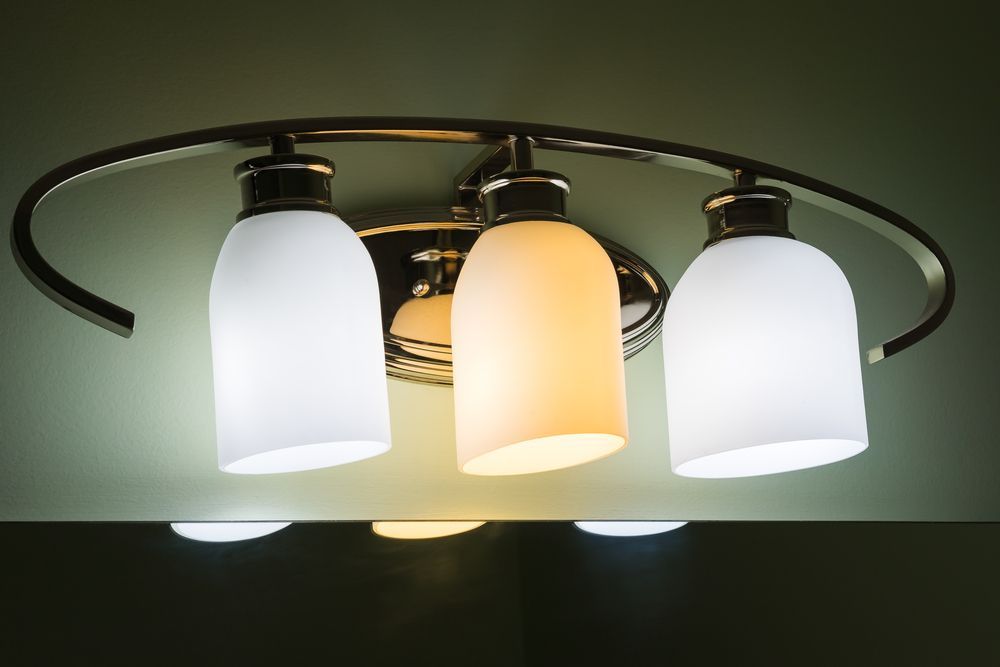
Color temperature refers to the visual warmth or coolness of the light produced by a fixture. Measured in Kelvins (K), it helps define how a space looks and feels under artificial lighting. Lower numbers, like 2700K to 3000K, create a warm, yellow-toned glow, often used in hospitality or residential settings. Higher numbers, such as 4000K to 5000K and above, produce a cooler, bluish light that’s common in industrial and commercial environments.
In
LED or fluorescent lighting, selecting the appropriate range is more than a stylistic choice. It directly affects clarity, visual comfort, and how clean or modern a space appears. For companies managing multiple facilities, consistency in lighting tone also strengthens brand experience, reinforces safety standards, and keeps operations running smoothly.
Why Color Temperature Matters in Commercial Spaces
Every commercial space is designed to support a specific type of activity, such as work, service, movement, or interaction. The temperature of the light influences how well that space functions. Cooler tones, typically in the 4000K to 5000K range, enhance visibility and focus, making them ideal for warehouses, manufacturing lines, and offices. Warmer lighting may be better suited for entryways, lounges, or areas where a more relaxed atmosphere is preferred.
In multi-use or multi-site facilities, matching tone to each area's function helps maintain continuity and encourages productivity. It also reduces glare, eases eye strain, and increases safety in high-traffic or detail-oriented environments. Thoughtful planning here goes beyond compliance. It benefits the people who use these spaces every day and ensures that
foot-candle requirements are met where precision or safety is a factor. It’s a foundational step in creating work environments that are not only functional but comfortable and well-balanced.
Warm, Neutral, or Cool: Choosing the Right Range for Your Facility
Not every space benefits from the same lighting tone. Choosing the right temperature depends on how the space is used, who uses it, and the kind of atmosphere you want to create. Below is a general breakdown of common ranges and where they typically perform best in commercial and industrial settings:
2700K–3000K (Warm White):
Soft, welcoming light. Often used in waiting areas, reception zones, lounges, or customer-facing retail, where comfort matters.
3500K–4100K (Neutral White):
Balanced tone, visually comfortable. Suited for classrooms, corridors, showrooms, and mixed-use spaces requiring focus without harshness.
5000K–6500K (Cool White to Daylight):
Crisp, high-clarity light. Ideal for manufacturing floors, inspection areas, large offices, and anywhere detailed tasks are performed.
Lighting should be selected to match the space’s purpose, not just to meet general standards.
Matching Color Temperature with Function and Environment
Light tone should align with both the tasks being performed and the atmosphere of the space. In a manufacturing plant, brighter, cooler light helps workers stay alert and improves accuracy during inspections or assembly. In contrast, a property manager choosing lighting for a residential lobby may opt for a warmer setting to create a more welcoming first impression. The same reasoning applies across offices, distribution centers, retail locations, and athletic facilities.
Spaces used for more than one purpose, such as flex warehouses or hybrid environments, often benefit from neutral tones or layered lighting strategies. In large portfolios, setting clear standards based on use cases reduces confusion and keeps illumination consistent across properties. It also streamlines future upgrades and maintenance for teams responsible for dozens or even hundreds of buildings.
US Lighting Systems works closely with facility teams to develop lighting strategies that scale across diverse locations.
How Color Temperature Affects Energy Savings and Maintenance
Lighting tone plays an indirect but meaningful role in energy performance. While wattage and fixture efficiency are primary drivers of savings, choosing the right temperature helps create better layouts, which reduces over-lighting and cuts unnecessary costs. Cooler tones in the 5000K range often deliver higher lumen output per watt, allowing facilities to meet brightness targets with fewer fixtures.
There’s also a maintenance benefit. When lighting is matched to actual usage, fixtures operate more efficiently and last longer. That leads to fewer replacements, fewer disruptions, and steadier long-term planning. Facilities that calibrate lighting levels to each space's function tend to lower service needs and maintain tighter control over maintenance cycles. This reduces reactive costs and makes maintenance planning more proactive and predictable.
Color Consistency Across Multiple Locations
In multi-site portfolios, inconsistent lighting introduces more than visual issues. Spaces can feel disconnected, signage may appear off-tone, and customer experience may vary depending on location. Tone is one of the most noticeable variables, especially when facilities mix older and newer systems. Standardizing this aspect across locations builds visual cohesion, reduces confusion, and simplifies product sourcing.
This kind of alignment is especially valuable for national accounts or teams overseeing multiple sites. It keeps user experience predictable and reduces errors during retrofits or replacements. A well-documented lighting standard helps every location operate as part of a coordinated system, regardless of layout or use.
Start with a Professional Lighting Audit
Choosing the right lighting tone starts before any fixture is installed. It begins with understanding how each space is used, what tasks happen there, and how lighting affects both performance and experience. A commercial lighting audit removes uncertainty. It captures the factors that matter, such as ceiling height, surface reflectivity, spatial layout, and usage patterns, and turns that data into a tailored lighting strategy.
For companies managing multiple properties, audits create a baseline for consistency and help prioritize improvements based on value, not just aesthetics. The result is a smarter retrofit strategy that supports both short-term goals and long-term performance.
To see how lighting decisions can support your facility portfolio,
contact US Lighting Systems to schedule a consultation.