
What is a Foot Candle? A Complete Guide
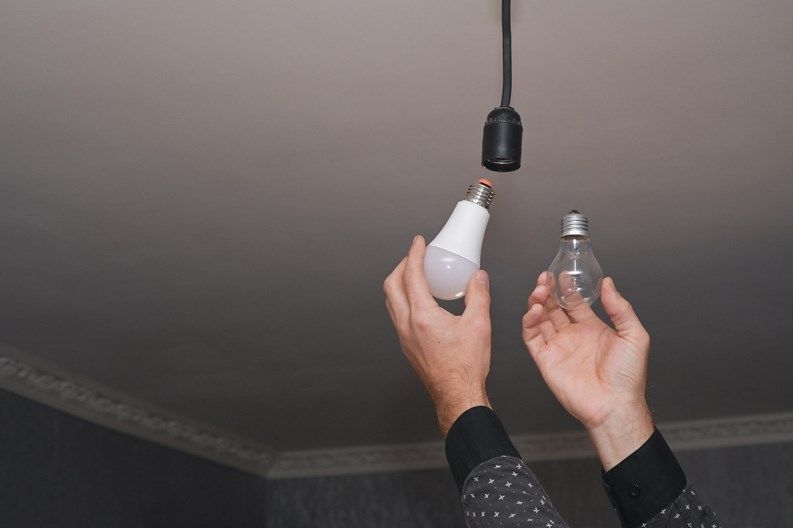
Lighting upgrades often focus on energy savings and product selection, but measurement plays a key role in getting the results right. One of the most important units in lighting design is the foot candle. It helps determine how much usable light reaches a surface, guiding decisions on fixture placement, layout, and retrofit value. For facility managers and commercial property owners, understanding foot candles is a practical step toward better lighting performance.
Understanding Foot Candles: The Basics of Light Measurement
A foot candle measures the amount of light that actually reaches a surface. One foot candle equals the light level of one lumen per square foot. It’s a practical unit used to evaluate how much light is hitting work areas, walkways, or specific zones inside a building. Unlike total output from a fixture, foot candles focus on what matters most, usable light on the ground or workspace.
This measurement helps lighting professionals evaluate whether a space meets recommended visibility levels for safety, productivity, or compliance. It also acts as a baseline when planning a
retrofit, especially in facilities where consistent light levels are required throughout the day.
How Foot Candles Affect Commercial and Industrial Lighting Design
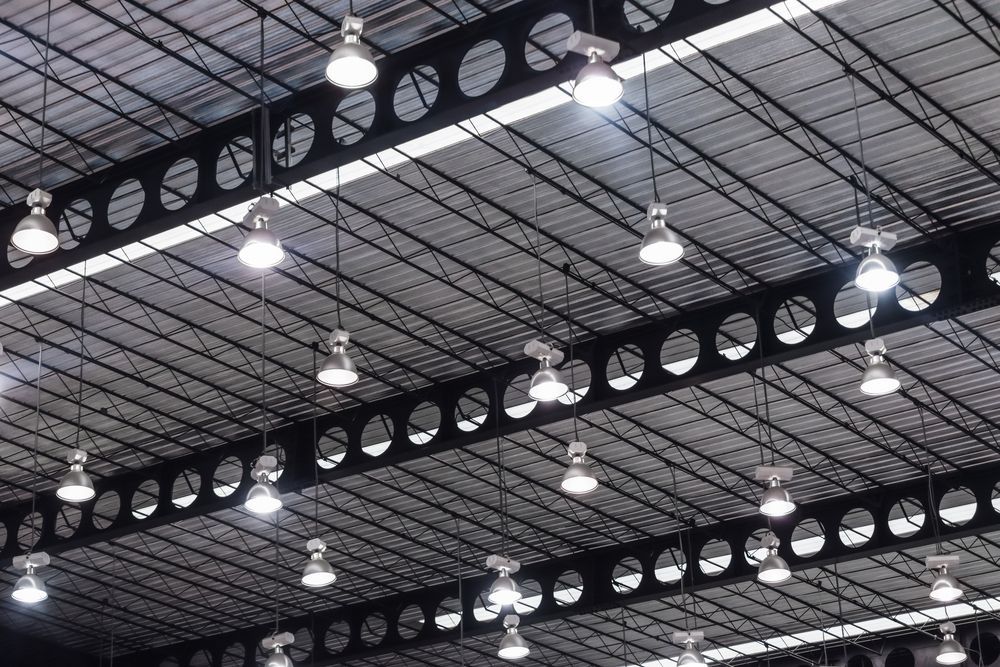
Foot-candle levels are a key factor in designing lighting that actually works for the space. In commercial and industrial environments, it's not just about having enough light. It’s about placing light where it’s needed, at the right intensity, and in a way that supports daily operations.
In production areas, low light can lead to slower output, more errors, or even safety risks. Excessive brightness, on the other hand, can cause glare, fatigue, and higher energy bills. Getting the foot-candle level right helps strike the balance between performance and efficiency.
Lighting design teams use foot candle targets to map out fixture spacing, wattage, mounting heights, and beam angles. For example, a warehouse with 30-foot ceilings requires a very different layout than a retail space or office. Measuring light at the task level, where people are working or walking, helps avoid guesswork and supports better planning.
Foot candles also play a role in meeting industry standards. Many spaces must follow IES-recommended light levels to remain compliant or meet safety codes. Using this measurement early in the design process helps align the lighting plan with operational goals and long-term ROI.
Recommended Foot Candle Levels by Facility Type
Foot candle targets vary based on the tasks performed in each area. Below are typical ranges used in commercial and industrial lighting design.
Warehouses
- Storage aisles: 10–20 foot candles
- Loading and picking zones: 20–50 foot candles
Manufacturing
- General production: 30–50 foot candles
- Detail work and inspections: 50–100+ foot candles
Offices
- Workstations and meeting rooms: 30–50 foot candles
- Reception areas: 20–30 foot candles
Retail
- Sales floors: 30–50 foot candles
- Displays and checkouts: 50–70 foot candles
- Stockrooms: 10–20 foot candles
These benchmarks help identify where existing lighting falls short and where improvements can drive better visibility, safety, and efficiency.
Foot Candles vs. Lumens: What’s the Difference?
Foot candles and lumens are both used in lighting projects, but they measure different things. A lumen measures the total amount of light produced by a source. A foot candle measures how much of that light actually reaches a surface.
For example, a fixture may produce a high number of lumens, but if it's mounted too high or blocked by equipment, the foot candle reading on the ground could still be low. This difference matters during retrofits, where the goal is to improve usable light, not just total output.
Understanding the distinction helps avoid overspending on fixtures that seem powerful but fail to deliver the light where it's needed. Foot candle readings provide a more accurate view of real-world performance inside the space.
Why Foot Candle Readings Matter in LED Retrofit Projects

Foot candle readings are one of the most reliable ways to evaluate the success of a retrofit. They show how much light is actually reaching work surfaces, walkways, and other critical areas. This helps confirm that lighting goals are being met and that upgrades are delivering more than just energy savings.
In
retrofit projects, comparing pre- and post-installation foot candle levels provides a measurable outcome. It shows whether the new layout is solving visibility issues or creating new ones. For example, a brighter fixture isn’t always better if the light isn't reaching the intended area. Foot candle readings help keep the focus on performance and usability, not just product specs.
They also give facility managers a baseline to work from when planning future phases or upgrades in other buildings. Consistency across multiple sites becomes easier when each project uses the same method for evaluating results.
How to Measure Foot Candles During an On-Site Lighting Audit
Facility managers often struggle to understand why certain areas feel dim, uneven, or overlit. Without accurate light measurements, it’s hard to know what to fix or how to justify the upgrade.
That’s where a lighting audit comes in. Using a light meter, a technician measures foot candles at key task levels, such as along walk paths, at workstations, or across production zones. Readings are taken in multiple areas to identify where light levels fall short or exceed what the space actually needs.
These measurements turn lighting decisions into clear, informed steps. Instead of choosing products based on assumptions, the retrofit is shaped around how the space performs in real conditions.
If you're managing facilities that need better lighting performance, it starts with a professional audit. Contact US Lighting Systems to schedule yours. We’ll review your current setup, provide accurate readings, and build a solution that works.