
Fluorescent to LED Conversion: A Complete Guide
Outdated fluorescent lighting can increase energy costs and create ongoing maintenance challenges for commercial and industrial facilities. A fluorescent to LED conversion offers an opportunity to lower electricity expenses, improve lighting quality, and reduce the need for frequent repairs. However, the best conversion method depends on fixture condition, existing electrical components, and long-term facility goals.
Facility managers and property owners have several options, including ballast bypass LED conversions, retrofit kits, and complete fixture replacements. Understanding the costs and benefits of each approach can help businesses select an efficient lighting solution and avoid unnecessary expenses.
Why Facilities Are Converting From Fluorescent to LED
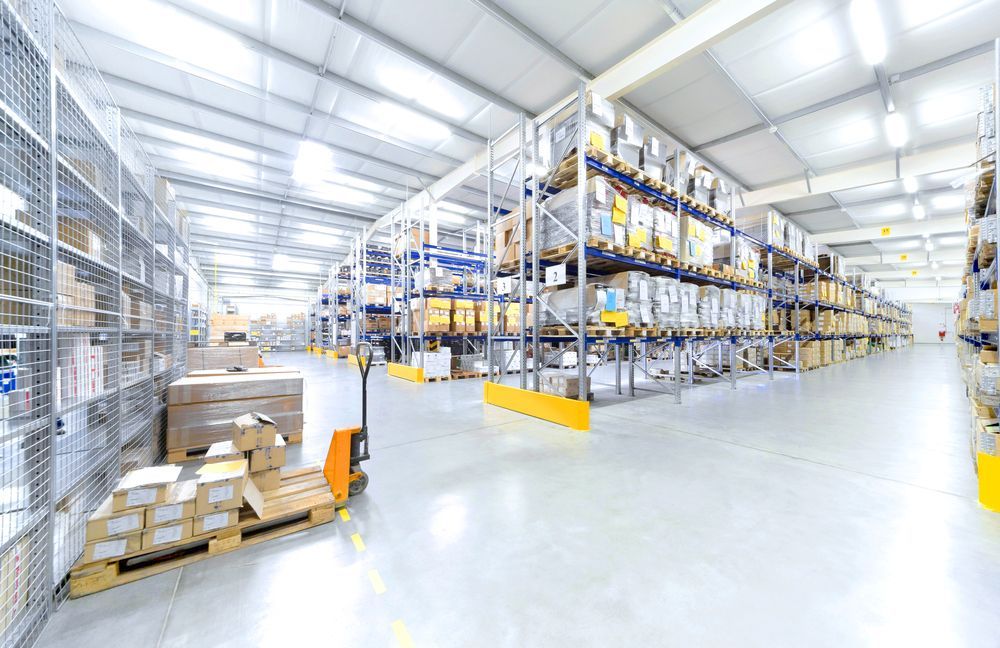
Fluorescent lighting can increase operating costs for commercial and industrial facilities, particularly those running lights for extended hours. Older systems consume more electricity than modern LEDs and require frequent maintenance due to failing ballasts, flickering tubes, and replacements.
LED lighting
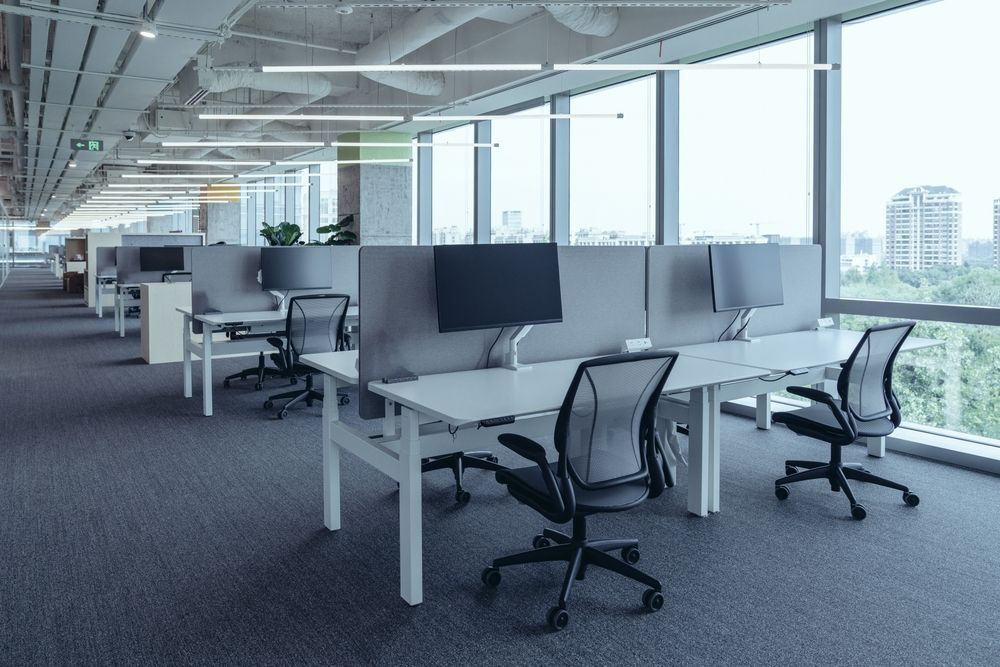
reduces energy consumption, lasts longer, and provides more consistent illumination. Better visibility can also improve safety and productivity in manufacturing facilities, warehouses, and other commercial spaces.
Growing state restrictions on mercury-containing fluorescent products are another reason facilities are making the switch. These regulations can make replacement tubes harder to source, prompting businesses to plan upgrades sooner.
For companies managing multiple locations, LED conversions also offer an opportunity to standardize lighting performance and lower maintenance expenses across their properties.
How Much Energy Can You Save by Switching to LED?
Switching to LED lighting can significantly reduce electricity costs, particularly in facilities operating hundreds of fixtures for extended hours. According to a University of Michigan lifecycle study, LED replacements are 18% to 44% more energy-efficient than T8 fluorescent lighting.
At the fixture level, the savings can be even greater. A typical fluorescent troffer consumes 88 to 120 watts, while an LED equivalent uses approximately 30 to 42 watts. That represents a potential 50% to 65% reduction in energy consumption per fixture, depending on the conversion method.
Consider a commercial building containing 200 fluorescent troffers operating 3,000 hours annually. At an electricity rate of approximately $0.10 per kWh, an LED conversion could save around $3,000 to $3,800 annually in electricity costs alone. Savings near the upper end may be achievable through ballast bypass LED conversions or
retrofit kits.
Actual savings depend on existing wattage, operating hours, electricity rates, and the selected conversion method. A free lighting audit from US Lighting Systems can identify the most cost-effective approach and calculate a facility-specific payback estimate before installation begins.
Assessing Existing Fixtures Before Selecting LED Tubes
Before starting a fluorescent to LED conversion, facility managers should evaluate the condition of their existing lighting systems. Fixture age, ballast compatibility, wiring, and overall performance can influence which conversion method makes the most sense.
An onsite lighting audit helps identify failing ballasts, damaged components, and fixtures that may need complete replacement. It also evaluates current light levels to determine if the proposed LED solution will provide adequate illumination.
This assessment helps businesses avoid unnecessary installation costs and select lighting upgrades that deliver reliable, long-term performance.
Comparing the Three Conversion Paths
What each path involves
Type A
Plug-and-play tubes
LED tubes drop straight into the existing fixture and run through the existing ballast. No rewiring.
- Lowest install cost
- Ballast stays in the circuit
- Around 105 lm/W
- Rarely DLC-listed for rebates
Type B
Ballast bypass
The ballast is removed and line voltage is wired directly to the lamp sockets. Licensed electrician required.
- Higher install cost
- No ballast left to fail
- Around 120 lm/W
- Many tubes DLC-listed
Retrofit kit
Full internal rebuild
The LED module, driver, and often the tombstones are swapped inside the existing fixture housing. Only the shell stays.
- Highest install cost
- All new internal components
- Up to 160 lm/W
- Most commonly DLC-listed
There are three primary approaches to fluorescent to LED conversion, each offering different installation requirements, maintenance considerations, and long-term savings.
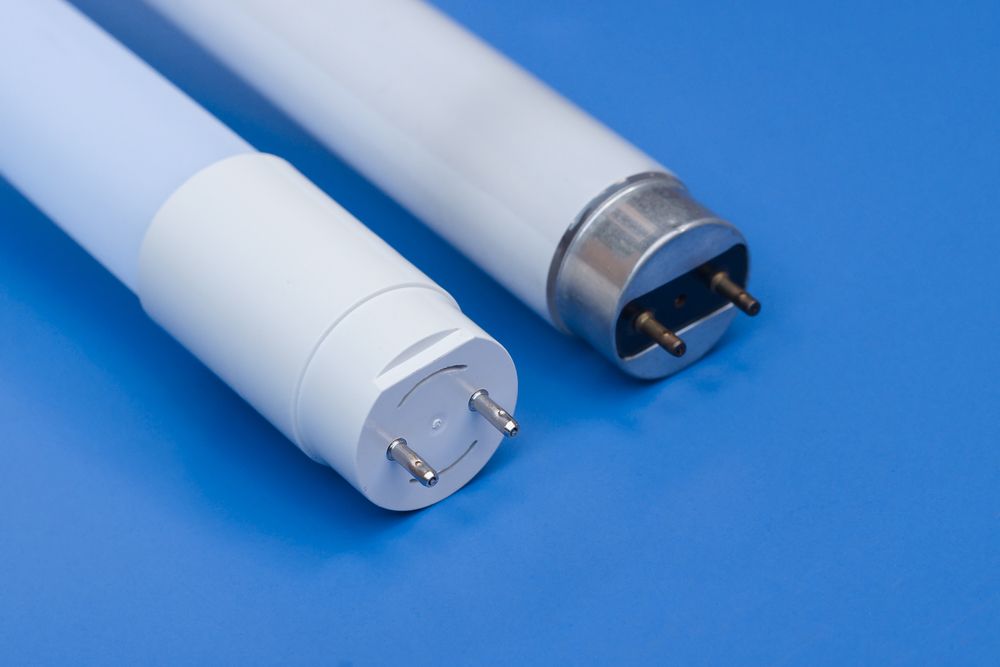
Type A LED tubes offer the simplest conversion. These plug-and-play replacements operate using existing compatible ballasts, making them ideal for facilities seeking a quick installation. However, aging ballasts can still fail and require maintenance.
Type B LED tubes, commonly called ballast bypass LEDs, eliminate the ballast entirely. This requires electrical rewiring but reduces future ballast failures and associated maintenance expenses, making it a practical option for long-term reliability.
LED retrofit kits replace the fixture's internal lighting components while retaining the existing housing. They typically offer higher energy efficiency and stronger utility rebate eligibility, making them attractive for facilities seeking greater long-term savings.
The best option depends on fixture condition, installation costs, and facility priorities. A professional lighting audit can help determine which approach offers the greatest value.
When a Full Fixture Replacement Is Necessary
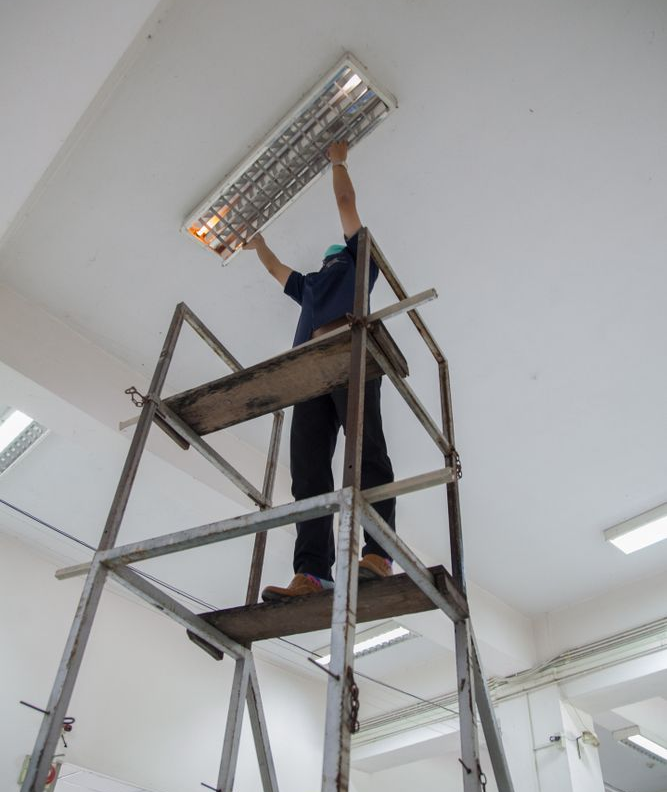
Not every fluorescent fixture is a good candidate for an LED retrofit. Severely damaged, rusted, or water-stained housings may need complete replacement. Brittle wiring, corroded sockets, and yellowed lenses can also compromise lighting performance and reliability.
Full replacement may also be necessary when existing fixture placement is inefficient, or a facility needs a redesigned lighting layout. Projects requiring higher lighting performance or specific DLC rebate qualifications may benefit from new, high-efficiency fixtures.
Although full replacement typically involves higher material and labor costs and may require ceiling repairs, it can deliver better long-term performance. During an onsite lighting audit, US Lighting Systems identifies which fixtures can be retrofitted and which should be replaced, helping customers plan the appropriate scope and budget.
ASHRAE 90.1 Code Requirements for LED Conversions
Commercial fluorescent to LED conversions may trigger additional energy code requirements. Under ASHRAE 90.1-2022, Section 9.1.1.3, lighting alterations exceeding 2,000 watts must meet applicable lighting power density (LPD) limits and mandatory lighting control requirements.
Facilities can reach this threshold quickly. For example, 17 four-tube fluorescent troffers consuming 120 watts each total 2,040 watts. However, the applicable calculation depends on the altered lighting system and locally adopted code.
Compliance may involve occupancy sensors, daylight-responsive controls, and automatic lighting schedules. Overlooking these requirements during project planning can lead to unexpected expenses or inspection delays.
Facility managers should account for lighting controls during the initial audit and project proposal. This helps establish an accurate budget and avoid costly changes during installation.
Planning a Multi-Site LED Conversion Program
For businesses managing multiple facilities, fluorescent to LED conversions require careful coordination. Each location may have different fixture conditions, operating schedules, utility rates, and local code requirements. A centralized conversion plan helps facility managers prioritize upgrades, control costs, and maintain consistent lighting performance across their properties.
The process starts with on-site lighting audits to assess existing systems and identify opportunities for energy savings. Facilities experiencing frequent lighting failures or higher electricity costs may benefit from earlier upgrades. Establishing consistent LED specifications can also simplify maintenance and replacement purchasing across locations.
Installation scheduling is another important consideration. Manufacturing plants, distribution centers, and commercial properties often need lighting upgrades completed outside regular operating hours to avoid interrupting daily activities. Coordinating these schedules early can reduce downtime and keep projects on track.
Utility rebates vary across states and service territories, so evaluating available incentives before purchasing equipment can help maximize savings. A coordinated rollout allows businesses to track project costs, measure energy reductions, and plan future conversions more effectively.
What to Look for in a Commercial LED Retrofit Contractor
Choosing an experienced commercial LED retrofit contractor can make a significant difference in project costs, installation quality, and long-term lighting performance. Facility managers should look for a contractor that offers comprehensive turnkey services, including on-site audits, lighting design, installation, and utility rebate management.
Technical qualifications also matter. Contractors holding Lighting Certified (LC) credentials demonstrate specialized knowledge of lighting systems, energy efficiency, and performance requirements. Experience managing large commercial projects is particularly valuable when evaluating complex electrical systems and coordinating installations.
For businesses operating multiple locations, national service capabilities and a dedicated project manager can simplify communication and scheduling. Contractors should also provide detailed proposals outlining recommended equipment, projected energy savings, installation timelines, and potential rebates.
A qualified contractor will help customers understand their conversion options and make informed decisions based on facility needs, operating costs, and long-term maintenance goals.
Ready to plan your fluorescent to LED conversion? US Lighting Systems offers nationwide turnkey lighting retrofit solutions backed by experienced, Lighting Certified professionals. Our team can evaluate your existing lighting, recommend cost-effective upgrades, and coordinate installation across one facility or multiple locations. Call us today to schedule a consultation and discuss your lighting conversion project.